

QuTZ Talking Flash Cards Review: Best Speech Therapy Toy for Toddlers Ages 2-5?
If your toddler is just starting to talk — or maybe needs a little extra help with speech — you know how stressful it can feel. You want to give them every advantage, but you also don’t want to shove a screen in front of their face all day long. That’s where talking flash cards for toddlers come in. The QuTZ Toddler Toys 224 Sight Words Talking Flash Cards promise to help children ages 2 to 5 build vocabulary, develop speech, and learn through play — all without a single screen. But does this little card reader actually deliver? We put it through its paces, dug into thousands of parent reviews, and have an honest breakdown for you. Whether you’re shopping for a speech therapy toy, an autism sensory tool, or simply a fun Montessori learning activity, this review covers everything you need to know before hitting that “Add to Cart” button.

What’s Inside the Box?
Before we get into whether it works, let’s talk about what you actually receive. The QuTZ talking flash cards set comes neatly packaged and includes:
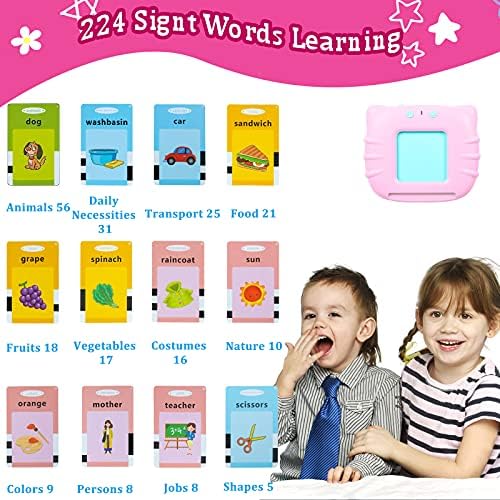
- 112 double-sided flash cards — that’s 224 sight words in total
- 1 card reader device — small, lightweight, and toddler-friendly
- 1 USB charging cable — built-in rechargeable battery lasts about 4.5 hours
- 1 user guide — simple setup instructions
- 1 portable storage bag — handy for travel or keeping things organized
The card reader itself measures just 4 inches by 3.5 inches and weighs under 3 ounces. That’s small and light enough for tiny toddler hands to grip and use independently. It comes in two colors: Pink and Blue.

Why Choose This Talking Flash Card Toy for Toddlers
With so many learning toys on the market, why should this one make it into your shopping cart? Here are five standout reasons that genuinely set the QuTZ talking flash cards apart.
1. It’s a Screen-Free Learning Experience
This is probably the single biggest reason parents love this toy. We all know toddlers are drawn to tablets and phones like magnets. But too much screen time can actually slow down speech development. This flash card reader gives kids something interactive and engaging to do — hearing words, seeing pictures, and physically inserting cards — all without a glowing screen. It’s the kind of hands-on, Montessori learning toy that lets children explore at their own pace.
2. Specifically Designed for Speech Therapy and Autism Support
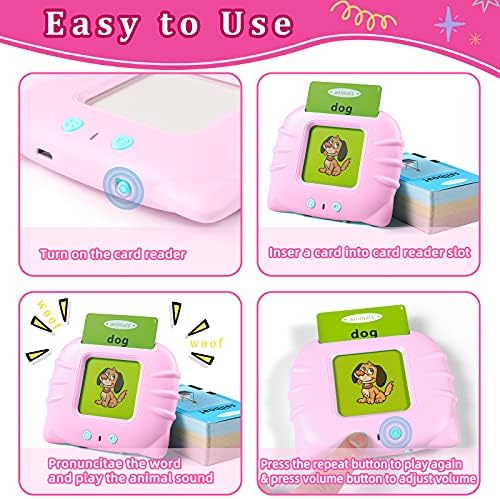
This isn’t just a random toy with letters and numbers slapped on it. The QuTZ flash cards were designed with speech therapy and autism sensory needs in mind. The interface is simple — slide a card in, hear the word. No complicated buttons. No overwhelming menus. Children on the autism spectrum or those with speech delays can use it independently, which builds confidence alongside vocabulary. Many parents of autistic children specifically praise how intuitive and calming this toy is.
3. Covers 12 Real-World Categories
The 224 words aren’t random. They span 12 thoughtfully chosen themes that connect to a toddler’s everyday life: animals, food, fruits, vegetables, colors, shapes, transportation, costumes, nature, daily necessities, and people/jobs. When a child inserts an animal card, they don’t just hear the word — they hear the actual animal sound. The same goes for vehicles. This multi-sensory approach helps words stick in a child’s memory far better than just seeing them on a page.
4. It Encourages Independent Play
One of the things that surprises parents the most is how quickly toddlers figure out how to use this toy by themselves. The card slot is easy to find, the repeat button lets them hear a word again, and the volume is adjustable. A 2-year-old can sit with this for 20 to 30 minutes at a time — which, if you’re a parent, you know is practically a miracle. That independent play time isn’t just convenient for you; it’s building your child’s self-confidence and focus.
5. Portable and Travel-Friendly
The included storage bag makes this toy incredibly easy to toss into a diaper bag or carry-on. At under 3 ounces for the device and with a 4.5-hour battery life, it’s perfect for long car rides, restaurant waits, or airplane trips. You won’t need to scramble for a charger every few hours, and it’s a much better alternative to handing over your phone.
Pros and Cons of the QuTZ Talking Flash Cards
No product is perfect. Here’s an honest breakdown based on what real parents are saying across thousands of reviews.
What We Like
- Excellent educational value: Over 8,600 reviews and 74% gave it 5 stars. Parents consistently report children learning new words daily and showing genuine speech improvement.
- Easy for toddlers to use: The simple card-in, word-out design means even 2-year-olds can operate it without adult help. Children with autism find the straightforward interface particularly accessible.
- Clear audio quality: The built-in speaker produces crisp, clear pronunciations. Kids can actually hear and repeat the words, which is the whole point.
- Keeps kids engaged: Multiple parents report their toddlers staying focused on this toy for extended stretches — a huge win for attention span development.
- Great gift option: With gift wrapping available and a neat presentation, it makes a thoughtful and practical birthday or holiday gift for young children.
What Could Be Better
- Card durability is a concern: This is the most common complaint. The cards are made of cardstock and are not laminated. Toddlers bend, chew, and tear them. Many parents recommend laminating the cards yourself right away to extend their life.
- Volume can be low: Some parents find the maximum volume too quiet, especially in noisy environments. Children sometimes need to hold the device close to their ear to hear clearly.
- Inconsistent quality control: While most units work great, some parents report receiving devices that malfunction or cards that don’t register. It’s worth testing the device thoroughly as soon as it arrives.
Comparison with Similar Toddler Learning Toys
How does the QuTZ stack up against other popular educational flash card toys on the market? Here’s a side-by-side comparison to help you decide.
| Product Name | Age Range | Key Feature | Our Take |
|---|---|---|---|
| QuTZ 224 Sight Words Talking Flash Cards | 2-5 years | 224 words across 12 categories; real animal/vehicle sounds; lightweight card reader | Best budget-friendly option for speech therapy and early learning. Great starter set. |
| HOMESTEC Talking Flash Cards (288 Words) | 2-6 years | 288 words; American English accent; 24 themes; includes stories | Higher word count and more themes. Slightly more expensive but excellent audio quality at 4.8 stars. |
| Airbition Bilingual Spanish/English Flash Cards | 2-6 years | 510 words; bilingual English/Spanish; pocket-sized; #1 Best Seller | Best choice for bilingual families. Double the words and dual language support is a strong advantage. |
| JoyCat Bilingual Kids Learning Tablet | 3-7 years | 106 pages; 20 interactive games; tablet format; English/Spanish | More like a learning tablet than flash cards. Better for older kids (4+) who want a gaming element. |
The QuTZ holds its own nicely as an entry-level option. If you want more words or bilingual features, the alternatives above are worth considering. But for a straightforward, affordable speech therapy toy for toddlers, the QuTZ is hard to beat. For more options like this, check out our full collection of educational toys here.
Real-Life Story: How a Family Actually Uses This Toy
Picture this: It’s a Tuesday morning. Your 3-year-old has been in speech therapy for a few months, and the therapist recommended supplementing sessions with activities at home. You hand your child the little pink card reader and a small stack of animal cards. Your child picks up the first card — a dog — slides it into the slot, and the reader says “dog” in a clear, friendly voice. Then it plays a barking sound. Your child’s eyes light up. “Dog!” they repeat, grinning from ear to ear.
Over the next 20 minutes, you watch them work through card after card. They learn “elephant,” attempt “giraffe,” and absolutely love the sound the truck card makes. You’re sitting right there on the couch, but you’re not doing much — your child is driving the entire experience on their own. They press the repeat button on “butterfly” three times before trying to say it. It comes out as “buh-fly,” but that’s progress, and it makes you tear up a little.
By the third week of daily use, you notice your child is using words they never used before. At dinner, they point at their plate and say “carrot” instead of just pointing and grunting. At the park, they call out “bird” and “tree.” It’s not just memorizing words on cards — they’re connecting those words to the real world around them. The speech therapist notices the improvement too and asks what you’ve been doing at home.
This is the kind of experience hundreds of parents describe in their reviews. Not every child will respond the same way, of course. But the pattern is consistent: kids find this toy fun, they use it independently, and the vocabulary gains are real and measurable.
Tips Before Buying the QuTZ Talking Flash Cards
Before you order, here are some practical things to keep in mind. These tips come straight from parents who have already been through the experience.
1. Laminate the Cards Right Away
This is the number one tip from experienced buyers. The cards are made of cardstock, not laminated plastic. Toddlers will bend them, chew on them, and possibly tear them. A quick trip through a home laminator or even some clear packing tape can dramatically extend the life of these cards. It’s a small extra step that saves a lot of frustration later.
2. Test the Device Immediately
While most units work perfectly, some parents have received devices with issues. As soon as it arrives, charge it up and test every card. The product comes with a generous 30-day return window and a 1-year manufacturer warranty, so if anything is off, you can get a replacement quickly — usually within 24 hours.
3. Consider Your Child’s Current Level
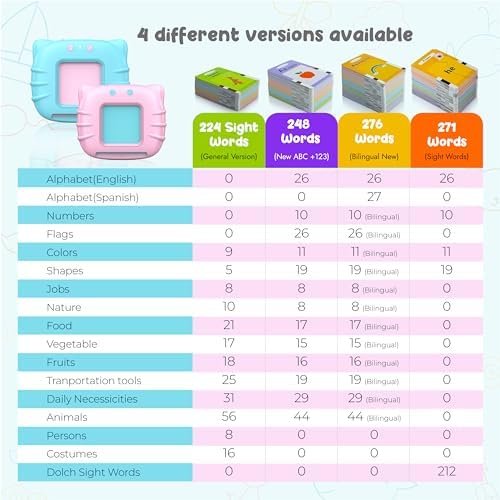
The basic 224-word set is perfect for children just starting to build vocabulary. But QuTZ also offers larger sets with 272 words, bilingual options (English/Spanish), and premium versions that include phonics and math with up to 1,200 words. If your child is already saying many basic words, you might want to jump to a more advanced set from the start.
4. This Is a Supplement, Not a Replacement
If your child is in speech therapy, this toy is a wonderful at-home supplement. But it shouldn’t replace professional therapy sessions. Think of it as homework — the fun kind — that reinforces what your child is learning with their therapist.
5. Keep Your Volume Expectations Realistic
The speaker is clear but not loud. This works well for quiet home settings and one-on-one play. If you need it for a noisy classroom or car ride, be aware that the volume might not cut through background noise. Using it in a quieter environment will give your child the best learning experience.

Frequently Asked Questions About QuTZ Talking Flash Cards
What age is this toy best for?
The manufacturer recommends it for ages 1.5 to 6 years old. However, based on parent reviews, the sweet spot seems to be ages 2 to 4. Two-year-olds love the sounds and start connecting words to pictures. Three and four-year-olds use it more independently and absorb vocabulary quickly. Children older than 5 may find the basic 224-word set too simple and might benefit from the larger word count versions.
Is this toy good for children with autism?
Yes, many parents of autistic children specifically praise this product. The simple, predictable interface — insert card, hear word — is calming and non-overwhelming. There are no flashing lights, no complex menus, and no screens. The repetitive nature of the activity can be soothing for children who thrive on routine, and the repeat button lets them hear a word as many times as they want.
How long does the battery last?
The built-in rechargeable battery lasts approximately 4.5 hours on a single charge. It charges via the included USB cable. Most parents report that a single charge lasts several days of normal use since toddlers typically play with it in 15-30 minute sessions.
Can my child use this without adult supervision?
Absolutely. That’s one of its biggest strengths. The card reader is simple enough for a 2-year-old to operate. Children just slide a card in and listen. The repeat button and volume control are the only buttons they need. Of course, for very young toddlers (under 2), you’ll want to supervise to make sure they don’t put small cards in their mouth.
Are there bilingual versions available?
Yes. QuTZ offers a bilingual English/Spanish version with 275 words. This is a fantastic option for families raising bilingual children or for anyone who wants to introduce a second language early. There are also expanded sets with up to 1,200 words that include phonics and math content.
What if the device doesn’t work when it arrives?
The product comes with a free 30-day return/replacement policy and a 1-year warranty against manufacturer defects. If your unit isn’t working properly, Amazon typically processes refunds within 24 hours. Always test the device as soon as it arrives so you have plenty of time to exchange it if needed.
Do the cards come in a specific order or are they random?
The 112 double-sided cards are organized by their 12 categories (animals, food, shapes, etc.), which makes it easy to focus on one theme at a time. Many parents start with animals since the real sound effects are especially engaging for younger toddlers, then gradually introduce other categories.
Final Thoughts: Is This Talking Flash Card Toy Worth It?
After digging through over 8,600 customer reviews and analyzing every feature, here’s the honest verdict: the QuTZ 224 Sight Words Talking Flash Cards is a solid, well-thought-out learning toy that genuinely helps toddlers build vocabulary and speech skills. It’s not perfect — the cards could be more durable, the volume could be louder, and quality control could be more consistent. But the positives far outweigh the negatives for the vast majority of families.
With a 4.5-star rating and 74% of buyers giving it a full 5 stars, this is clearly a product that delivers on its promises for most children. Parents of kids with speech delays, children on the autism spectrum, and families who follow Montessori learning principles all report real, noticeable improvements in their children’s language development.
The screen-free design alone makes it a winner in today’s tablet-heavy world. And the fact that toddlers can use it independently — giving parents a few precious minutes of peace while knowing their child is actually learning — that’s worth its weight in gold.
Our recommendation: If you have a toddler between 2 and 5 years old who is building vocabulary, working on speech, or simply curious about the world, this toy belongs in your home. Just laminate those cards first.
Want to explore more learning tools for your little one? Browse our full collection of educational toys for kids here.
This article was created with the help of AI technology. We recommend verifying product details on the manufacturer’s website before purchasing.


